

Multi-tenant retail properties with mixed lease structures and shared liability exposure.

Owner-occupied and leased office properties, from single-tenant to multi-floor professional buildings.

Tenant-side coverage for businesses operating inside commercial spaces, including build-out and equipment.

Commercial properties held as investments, including NNN and gross lease structures with specific landlord exposures.

The building itself, including structure, roof, mechanical systems, and permanent fixtures. How your property is owned, financed, and leased affects how this is structured.

Slip and fall, property damage to tenants, and third-party bodily injury claims are common exposures for commercial property owners. Limits and additional insured requirements vary by lease type.

If a covered loss forces your property out of service, business interruption coverage replaces lost rental income while repairs are underway. This is frequently undervalued at placement.

Commercial property owners often face liability exposure that exceeds primary policy limits, particularly in multi-tenant environments. Umbrella coverage extends your protection.

For tenants who have invested in leasehold improvements, standard landlord policies don’t cover your build-out. Tenant-side coverage protects what you’ve put into the space.

For owner-operated commercial properties, equipment, inventory, and contents need to be scheduled accurately. Replacement cost vs. actual cash value matters at claim time.
An NNN lease shifts certain property expenses and liabilities to the tenant. A gross lease keeps them with the landlord. These aren’t just accounting differences. They change what needs to be insured, by whom, and at what limits.
If your broker is placing the same policy regardless of how your leases are structured, your coverage likely has gaps. We review lease terms as part of every commercial property program we build.
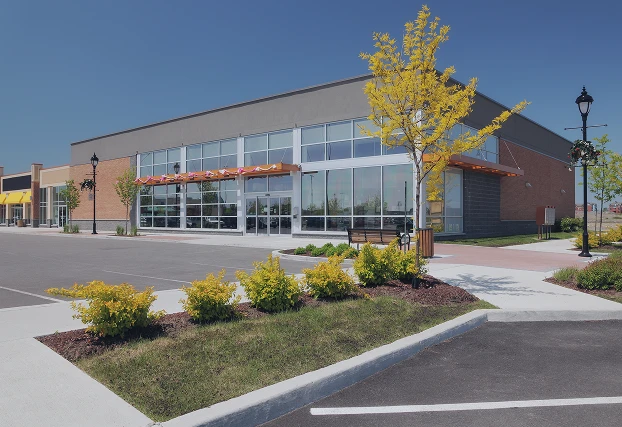
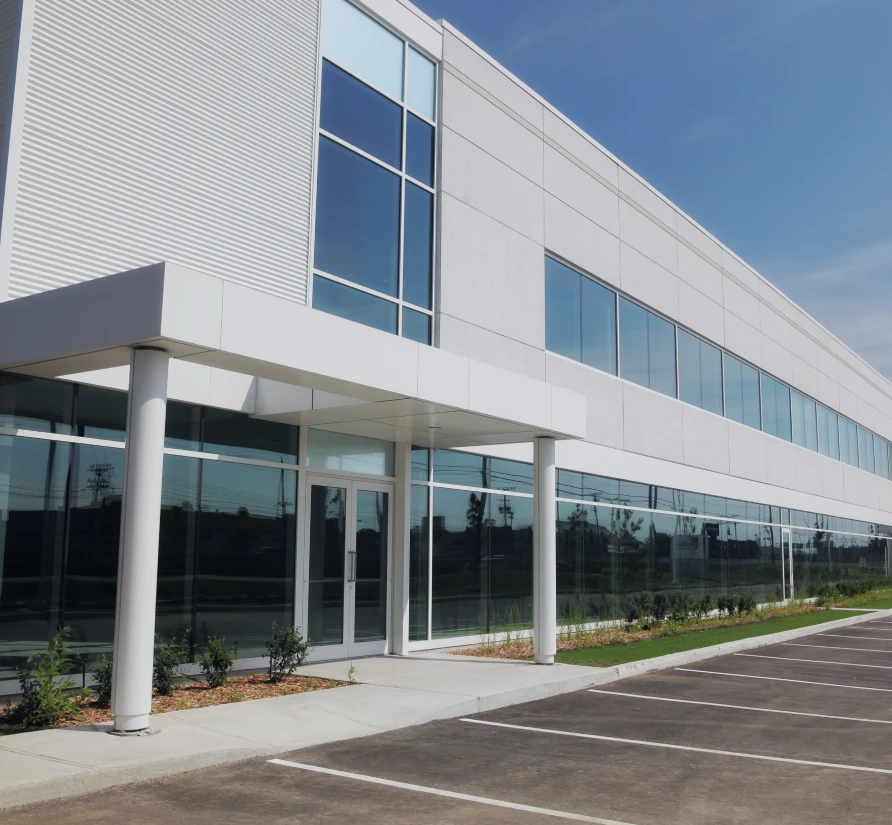
The commercial property market has tightened considerably over the past several years, driven by rising reinsurance costs, increased weather-related claims, and carriers reassessing their appetite for older properties in certain regions of the Midwest.
Properties with deferred maintenance, aging roofs, or prior losses are increasingly being pushed to the Excess and Surplus Lines market. That’s not necessarily a problem. The E&S market often produces competitive terms for accounts that are properly packaged and presented. The key is knowing how to get there.
We’ve navigated this market for our clients for years. We know which carriers are still writing in Missouri, what underwriters want to see in a submission, and when the E&S marketplace is the right move.
If your property includes both commercial and residential units, coverage requirements become more complex. Mixed-Use Habitational properties may require coordination between commercial property and habitational programs. We build both and can structure coverage that addresses the full exposure.

If you own or manage commercial property in Missouri and your coverage gets re-shopped every year without anyone reviewing the lease
structure, the loss history, or the carrier’s appetite. It’s time for a different approach.